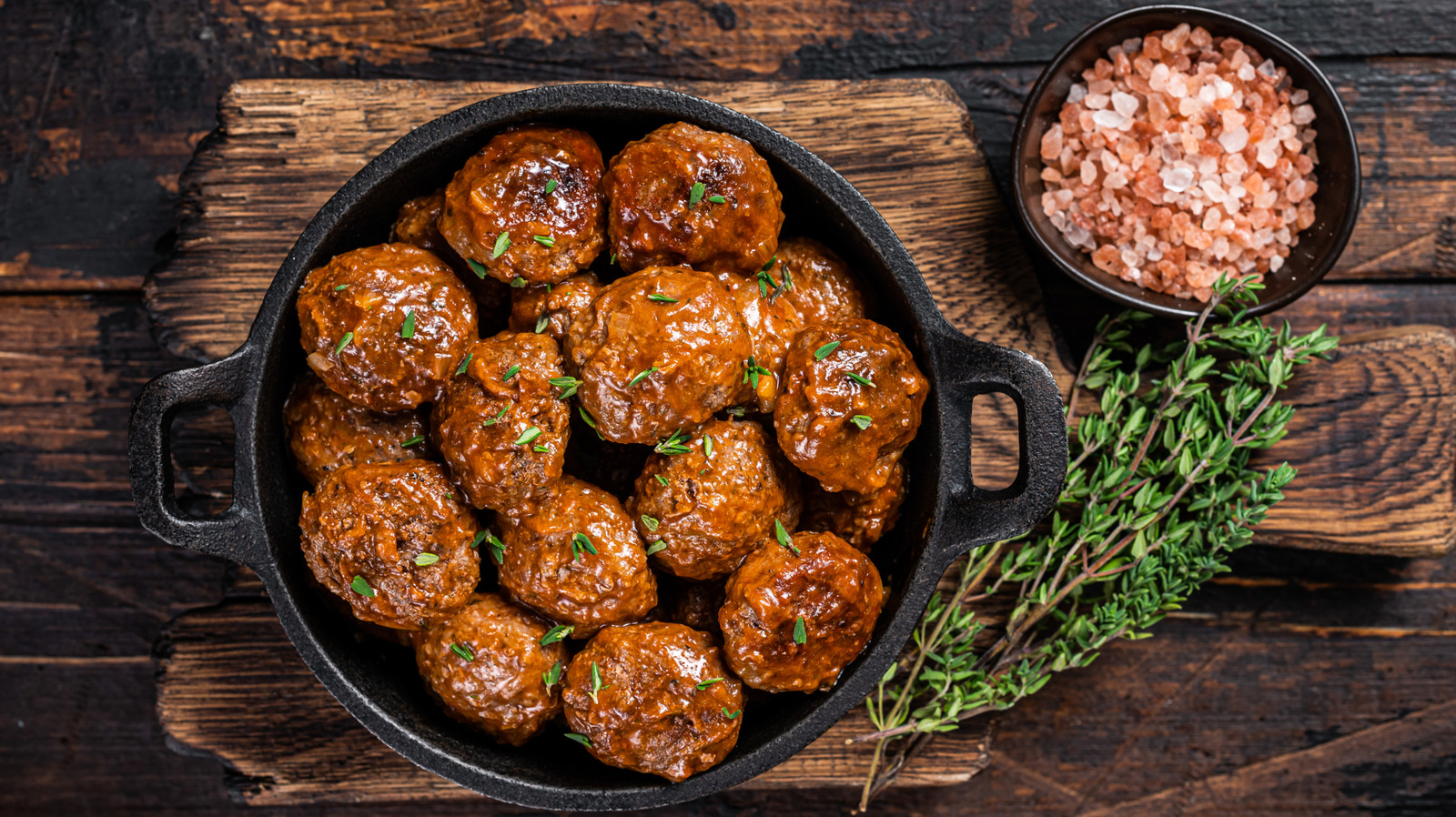
Unlock Weeknight Wonders: The Power of Homemade Freezer Meatballs
In the whirlwind of modern life, the quest for convenient, wholesome, and delicious meals often feels like an impossible puzzle. Enter the hero of meal prep: homemade freezer meatballs. Far beyond the store-bought varieties, crafting your own meatballs allows you unparalleled control over ingredients, ensuring every bite aligns with your family's dietary needs and flavor preferences. Imagine the satisfaction of pulling a bag of perfectly prepped, veggie-loaded meatballs from your freezer, ready to transform into a nourishing dinner with minimal effort. This comprehensive guide will walk you through mastering the art of homemade freezer meatballs, from expert preparation and smart freezing techniques to effortless cooking from frozen.
Why Homemade Freezer Meatballs are a Game-Changer for Busy Households
The allure of mastering freezer meatballs lies in their incredible versatility and the sheer convenience they bring to even the most chaotic schedules. For new parents, busy professionals, or anyone looking to reclaim their evenings, a stash of homemade meatballs is a culinary lifesaver. What makes them so revolutionary?
- Ingredient Control: This is arguably the biggest advantage. When you make meatballs from scratch, you dictate every component. Choose lean meats, incorporate hidden vegetables like grated zucchini or carrots, opt for gluten-free binders, and select organic seasonings. This means no mystery additives, excessive sodium, or unwanted preservatives often found in commercial frozen options. You can tailor them for allergies, dietary restrictions (like low-carb or dairy-free), or simply for a healthier profile.
- Flavor Customization: Beyond health, homemade means incredible taste. Adjust spices to suit your palate – go Italian with basil and oregano, develop an Asian profile with ginger and soy, or create a smoky BBQ blend. You can even experiment with different types of meat, from classic beef and pork to leaner turkey or chicken, or even plant-based alternatives.
- Time-Saving: Batch cooking is the secret weapon of efficient home cooks. Dedicate a couple of hours on a less busy day to double or triple your favorite meatball recipe. The upfront investment pays dividends for weeks or even months, providing quick meal solutions when time is short.
- Reduced Stress: Knowing you have healthy, delicious meal components ready to go significantly reduces the dreaded "what's for dinner?" anxiety. This peace of mind allows you to enjoy your evenings more, rather than scrambling in the kitchen.
Crafting Your Perfect Meatball: Ingredient Control & Flavor Customization
The foundation of exceptional batch cooked freezer meatballs is a well-balanced mixture and the freedom to experiment. Start with a base that suits your dietary needs and then let your creativity soar.
Choosing Your Meat and Binders
Ground meat is the star, but don't limit yourself:
- Beef: A classic choice, often 80/20 for great flavor and texture. Leaner cuts (90/10) work well too, especially if you add moisture from vegetables.
- Turkey/Chicken: Excellent lean alternatives. Be mindful that they can be drier, so consider adding extra moisture with sautéed onions, grated zucchini, or a touch more breadcrumbs/milk.
- Pork: Offers a rich flavor and tender texture, often used in combination with beef.
- Mixed Meats: A blend of beef, pork, and/or veal is common for traditional "holy trinity" meatballs, providing depth of flavor.
- Plant-Based: For vegetarian or vegan options, use ground plant-based "meat" alternatives, lentils, or mushrooms as your base.
Binders are essential for holding your meatballs together. Common choices include breadcrumbs (panko for extra crispness), crushed crackers, cooked quinoa, or even oats. Eggs provide additional binding and moisture. For gluten-free options, use gluten-free breadcrumbs or flaxseed "eggs."
Enhancing Flavor and Nutrition
This is where you make your meatballs uniquely yours:
- Aromatics: Finely diced or grated onion, garlic, and fresh parsley are standard. Sautéing onions beforehand can mellow their flavor and add moisture.
- Vegetables: Boost nutrition and moisture by grating in zucchini, carrots, bell peppers, or finely chopped spinach. These additions are especially great for "hiding" veggies from picky eaters!
- Cheese: Parmesan or pecorino romano adds a salty, umami kick, particularly for Italian-style meatballs.
- Seasonings: Don't be shy! Salt, black pepper, Italian seasoning, red pepper flakes, smoked paprika, cumin, or even a dash of soy sauce and sesame oil can transform your flavor profile.
Pro Tip for Mixing: The most crucial aspect of tender meatballs is *not* to overmix. Overworking the meat develops gluten, leading to a tough texture. Gently combine ingredients with your hands or a fork until just incorporated. If you're adding many ingredients, mix all the non-meat components first, then fold in the ground meat.
The Art of Freezing Meatballs: Raw vs. Cooked Methods
One of the beauties of homemade freezer meatballs is the flexibility in how you freeze them. Both raw and cooked methods have their advantages, depending on how you plan to use them.
Freezing Raw Meatballs
This method allows for maximum freshness of flavor when cooked and gives you more flexibility in cooking methods later.
- Form Your Balls: Roll your meatball mixture into uniform sizes. Consistency in size ensures even cooking later.
- Flash Freeze on a Tray: Arrange the raw meatballs in a single layer on a parchment-lined baking sheet. Ensure they aren't touching to prevent them from freezing into a solid block.
- Freeze Until Solid: Place the baking sheet in the freezer for 1-2 hours, or until the meatballs are completely firm. This "flash freeze" step is vital.
- Transfer and Store: Once frozen solid, transfer the meatballs into a heavy-duty freezer bag or an airtight freezer-safe container. Squeeze out as much air as possible before sealing.
- Label and Date: Always label your bag or container with the date and contents. Raw meatballs can be stored for up to 6 months for optimal quality.
Why choose raw? They often hold their shape better during slow cooking and absorb sauces more deeply as they cook.
Freezing Cooked Meatballs
This method offers ultimate convenience, as your meatballs are essentially ready to reheat and serve.
- Cook Thoroughly: Bake, pan-fry, or simmer your meatballs until they are fully cooked through.
- Cool Completely: Allow the cooked meatballs to cool to room temperature. This is essential to prevent ice crystal formation and freezer burn. Drain any excess grease.
- Flash Freeze (Optional but Recommended): For best results, arrange cooled meatballs on a parchment-lined baking sheet and flash freeze for 1-2 hours until firm. This prevents them from sticking together.
- Transfer and Store: Move the frozen, cooked meatballs into a freezer-safe bag or container, removing as much air as possible.
- Label and Date: Label clearly. Cooked meatballs can also be stored for up to 6 months.
Why choose cooked? They are incredibly fast to get on the table – just rewarm and serve! Perfect for quick additions to pasta, soups, or sandwiches.
Cooking From Frozen: Effortless Meals in Minutes
The real magic of homemade freezer meatballs unfolds when it's time to cook. No thawing necessary for most methods!
Slow Cooker Sensation
The slow cooker is a freezer meatball's best friend, especially for raw meatballs. They maintain their shape beautifully and absorb sauce flavors deeply.
- Method: Place frozen raw or cooked meatballs directly into your slow cooker. Top with your favorite sauce – spaghetti sauce, marinara, BBQ, Swedish meatball sauce, or a simple broth.
- Cook Time: Cook on low for 5-6 hours or on high for 2-3 hours, or until the meatballs are thoroughly heated through and cooked (if raw). The beauty of this method is its forgiving nature – they're hard to overcook!
Baked Perfection
Baking is a straightforward way to cook both raw and rewarm cooked meatballs.
- Method: Arrange frozen meatballs (raw or cooked) in a single layer on a baking sheet. For raw, you can brush lightly with oil first.
- Cook Time: Bake at 375°F (190°C) for 30-35 minutes for raw meatballs, or until they reach an internal temperature of 160°F (71°C). For already cooked meatballs, bake for 20-25 minutes, or until heated through.
Quick Stove-Top Simmer
This method is ideal for pre-cooked meatballs when you need a meal in a flash.
- Method: Place frozen cooked meatballs directly into a pot with your chosen sauce (marinara, gravy, broth).
- Cook Time: Simmer gently over medium-low heat, stirring occasionally, for 15-20 minutes, or until the meatballs are piping hot throughout.
Air Fryer for a Crispy Finish
For a quick, slightly crispy exterior, the air fryer works wonders with cooked frozen meatballs.
- Method: Place a single layer of frozen cooked meatballs in the air fryer basket.
- Cook Time: Air fry at 350-375°F (175-190°C) for 10-15 minutes, shaking the basket halfway through, until heated and lightly browned.
Tips for Success & Meal Prep Mastery
To truly elevate your homemade freezer meatball game, consider these expert insights:
- Uniform Size is Key: Use a small scoop or your hands to make meatballs of similar size. This ensures they cook evenly and consistently, preventing some from being undercooked while others dry out.
- Prevent Sticking: When rolling, lightly dampen your hands with water or lightly oil them to prevent the mixture from sticking.
- Get Creative with Sauces: Don't just think pasta. Serve meatballs with sweet and sour sauce over rice, as a delicious addition to sub sandwiches, in a hearty soup, or even as an appetizer with a dipping sauce.
- Labeling is Non-Negotiable: A well-stocked freezer is useless if you don't know what's inside or how old it is. Always use a permanent marker to note the contents and the date of freezing.
- Vacuum Sealing for Longevity: If you have a vacuum sealer, use it! It removes almost all air, significantly extending the freezer life of your meatballs and preventing freezer burn more effectively than standard freezer bags.
- Defrosting: While most methods allow cooking from frozen, if a recipe specifically calls for thawed meatballs, transfer them to the refrigerator the night before.
Embracing homemade freezer meatballs is more than just a cooking technique; it's a lifestyle upgrade. It empowers you to feed your family nourishing, delicious meals without sacrificing precious time or compromising on quality. With a little planning and these simple steps, you'll transform your kitchen into a hub of efficiency and your mealtimes into moments of joy. Get ready to enjoy the unparalleled convenience and flavor control that only homemade can offer!
